New Orleans Foodie Tours Versus a Self-Guided Tasting Walk in the French Quarter
Example, not measured visitor data: two travelers have one day in the French Quarter and must choose between a guided booking and an independent tasting walk. The better choice is not automatically the cheaper-looking option. It is the plan that avoids duplicate dishes, hidden charges, unusable reservations, and waits that consume the afternoon.
Key takeaways
- Compare the tour checkout total with the cost of restaurant orders independent visitors can actually buy.
- Pay for a guide when coordination and documented context matter more than control over pace and dishes.
- Build every self-guided stop around verified hours, a specific order, a wait limit, and a nearby backup.
- Obtain written dietary guidance before booking either plan when allergies or strict restrictions apply.
- Make the final choice from current operating conditions, not reputation alone.
Contents
- Are foodie tours worth paying for?
- What does each option really cost?
- What does a guide provide beyond food?
- How should an independent route be built?
- Which option handles dietary restrictions better?
- Which plan fits your outing?
Are New Orleans foodie tours worth paying for instead of walking independently?
New Orleans foodie tours are worth paying for when coordinated tastings, historical context, and less planning work justify giving up control over the route. A self-guided walk is stronger when menu choice, schedule flexibility, and the freedom to skip dishes matter more.
- Price certainty: A tour price may look clear, but mandatory fees, gratuity treatment, drinks, and exclusions still need checking.
- Historical context: A capable guide can connect food with French Quarter history. Independent travelers must research that context themselves.
- Flexibility: Tours have meeting and pacing rules. Independent walkers can pause, shorten, or reroute the day.
- Dietary control: Tour substitutions need advance confirmation. Independent diners choose their own dishes but must question every restaurant.
- Queue exposure: Arranged tastings may make ordering easier. Independent visitors face waits, sold-out dishes, and unavailable seating.
- Planning effort: A tour shifts coordination to the operator. An independent route requires menu, hours, ordering, and backup checks.
Guided French Quarter food tours suit visitors who value coordination and context
A guided tour can suit a first visit, a traveler who prefers company, or a group with limited sightseeing time. Before paying, check the current duration, meeting instructions, included tastings, drinks, substitution rules, group policy, and cancellation terms. Record when the details were checked because booking conditions can change. An operator page such as Tastebud Tours’ New Orleans listings provides a starting point, but the checkout terms control the purchase.
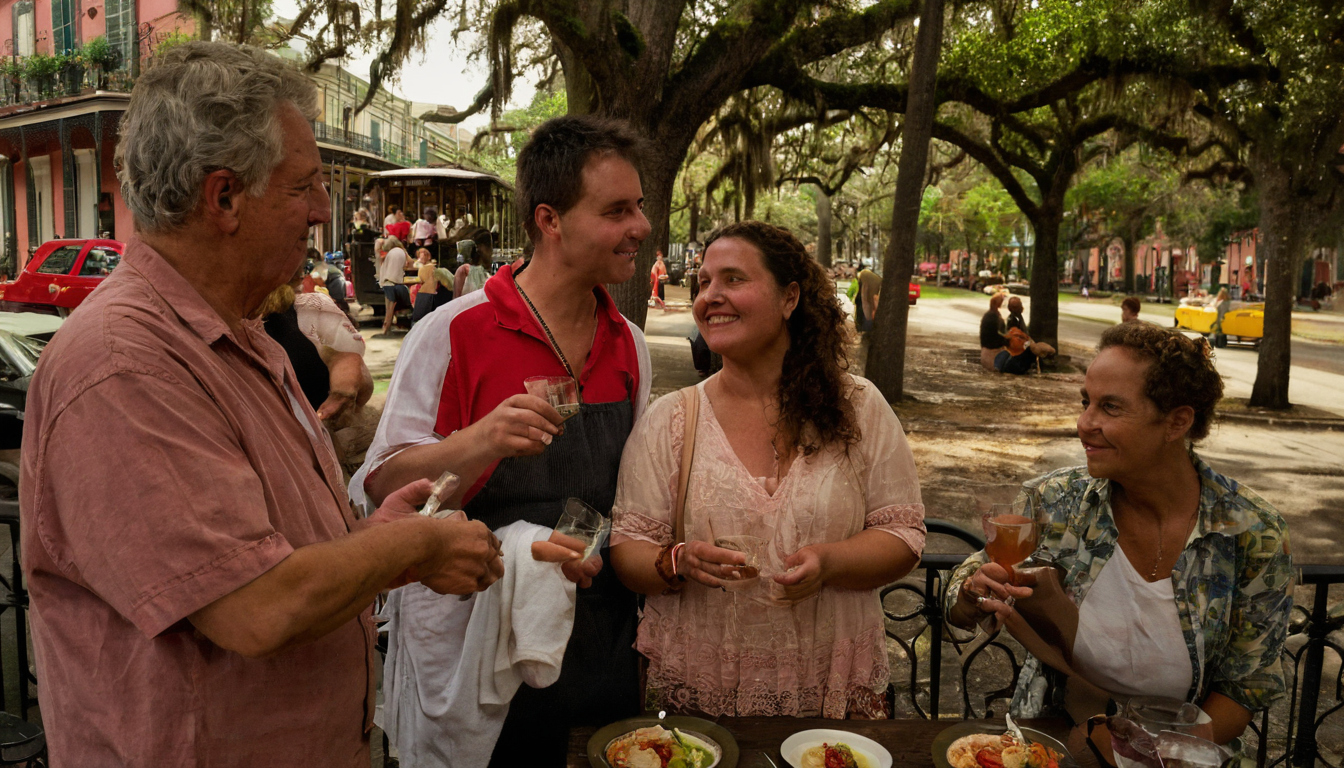
Are New Orleans foodie tours worth paying for instead of walking independently shown with practical context cues.
A self-guided French Quarter tasting walk suits visitors who need control
An independent route suits mixed appetites and travelers who want to choose every dish. Each proposed stop still needs a current menu, an hours check, an ordering plan, and an alternative. The official Napoleon House menus and Central Grocery & Deli website can help with those checks without guaranteeing day-of availability.
Next, compare landed costs: the guided total after required charges versus the price of full orders available to independent diners.
What does a guided French Quarter food tour really cost compared with self-guided tastings?
A fair comparison uses the total paid per traveler, not an advertised tour price against one restaurant entrée. Guided-tour math includes mandatory charges, taxes, gratuity treatment, drinks, and transportation. Independent math includes real order sizes, tax, tip, deposits, service charges, and food purchased because tasting portions are unavailable.
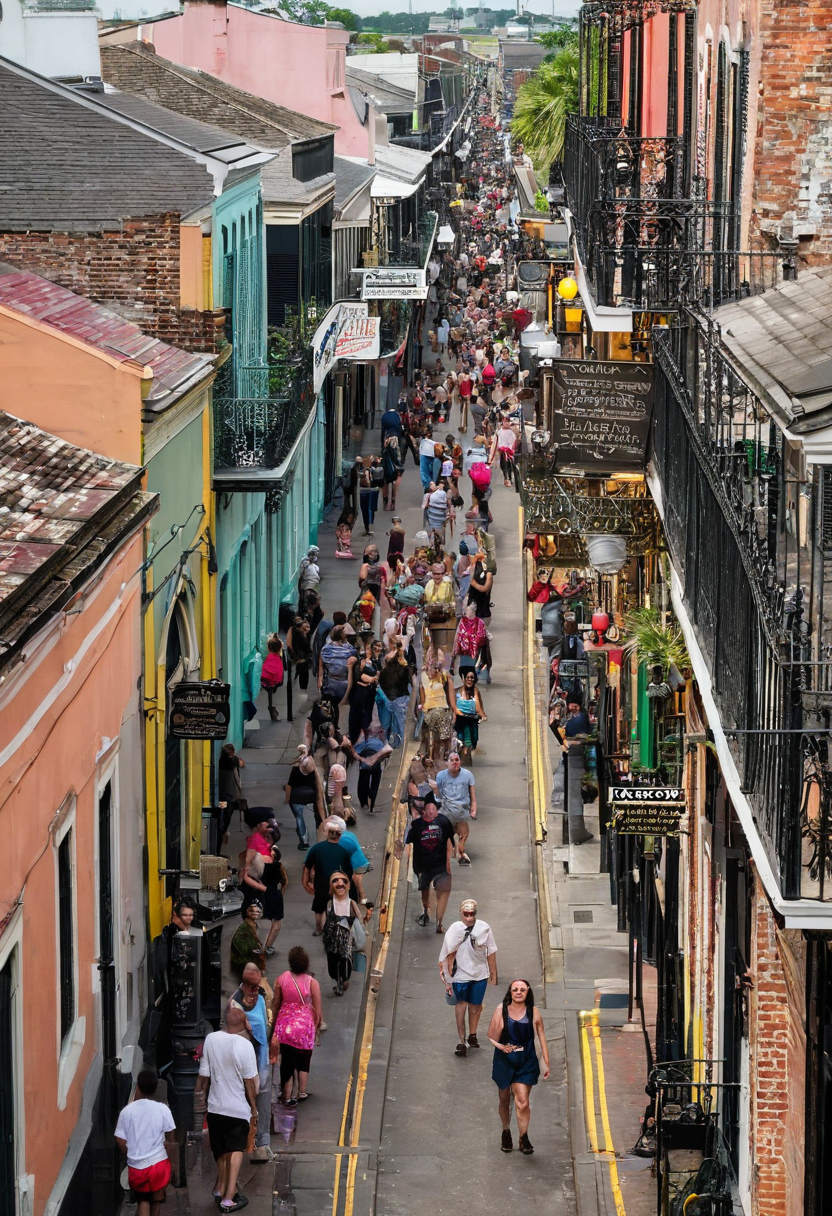
What does a guided French Quarter food tour really cost compared with self-guided tastings shown with relevant destination, access, and visitor conditions.
Guided food-tour prices are predictable only after fees and gratuity rules are checked
Record the final checkout total for the intended date and meal period. Check:
- adult and child prices, including the operator’s age definitions;
- mandatory booking fees, taxes, and optional add-ons;
- whether drinks are included or purchased separately;
- whether gratuity is included, added automatically, or left to the guest;
- cancellation, rescheduling, weather, no-show, and minimum-attendance terms.
Use the current operator information as a starting point, then use the final checkout screen or written confirmation for the working total.
Self-guided tasting costs rise when restaurants require full portions or minimum orders
Build the independent budget from food the restaurant currently sells to walk-in customers. Check official menu or business pages, then confirm availability for the planned day.
- Price one traveler ordering alone.
- Price two travelers sharing only where sharing is permitted.
- Add disclosed deposits, minimum purchases, split-plate charges, service charges, tax, and tip.
- Remove stops that repeat similar dishes unless comparison is the point.
A full restaurant order is not equivalent to a tour tasting unless the portion and inclusions have been verified. Once both totals use comparable inputs, ask what the guide adds beyond food.
What do guided New Orleans foodie tours provide beyond the tastings?
A guided French Quarter food tour primarily buys coordination and interpretation: a confirmed meeting point, a planned sequence, arranged tastings where offered, and explanations of dishes and neighborhood history. The premium loses value when the itinerary is vague, the pace does not suit the group, or suitable food cannot be confirmed.
A food tour earns its premium when the guide connects dishes to documented New Orleans history
Useful interpretation explains why a dish belongs at a stop and separates documented history from folklore. Claims about Creole or Cajun traditions, immigration, buildings, and restaurant history should trace to archives, museums, established cultural institutions, government collections, or the businesses involved. Promotional copy can describe a tour’s intended subject matter, but it does not establish historical fact or guarantee identical commentary on every departure.
Before booking, ask:
- Does the description name stops or explain why they remain undisclosed?
- Does it describe the historical scope or guide qualifications?
- Can a scheduled tasting be replaced if a kitchen changes availability?
- May the route change without reducing the promised inclusions?
Group pace and fixed stops are the main trade-offs of a guided tasting route
Coordination costs the traveler some control. Confirm the late-arrival rule, expected walking, rest opportunities, departure timing, and group policy before payment. Ask whether guests may skip a tasting, buy additional food, leave early, or remain at the final stop.
If those limits are too restrictive, build a self-guided route around verified operating hours rather than a list of famous dishes.
How should a self-guided French Quarter tasting walk be built around real opening hours?
A workable self-guided tasting walk follows verified opening and kitchen hours through adjacent French Quarter blocks. It needs short walking legs, varied orders, known seating or restroom opportunities, and a nearby alternative for every stop vulnerable to queues, sellouts, private events, or weather.
The self-guided route should move through adjacent French Quarter blocks without backtracking
Build a one-way corridor using streets such as Decatur, Chartres, Royal, and their connecting cross streets. Choose the start and finish only after checking official hours for the intended weekday. A posted closing time may not show when the kitchen stops taking orders, so confirm ambiguous details directly.
Measure each door-to-door leg with a current map and check the route itself before relying on precise travel times. Note difficult curbs, uneven pavement, legal crossings, construction, parade restrictions, and entrances that differ from the mapped pin.
Each tasting stop needs a dish, an ordering plan, and a nearby backup
Prepare a route card for each stop:
- Primary stop: Record opening and kitchen hours, service format, reservation rules, and any minimum-order or entry condition.
- Order: Note the current dish, price, portion plan, and availability period. Recheck official sources near the trip date.
- Backup: Choose a nearby open business serving a different food category so the replacement does not duplicate an earlier tasting.
- Street check: Record seating, shade, restroom access, curb conditions, and date-specific restrictions.
Decide beforehand which dishes two travelers may share and which orders are too similar to justify buying twice. Set a maximum acceptable queue and a firm departure time for seated stops. Those limits protect both the budget and the remaining sightseeing time.
Weather needs its own fallback. The National Hurricane Center defines Atlantic hurricane season as June 1 through November 30. Those formal dates do not predict conditions for a particular trip, so current advisories should govern day-of decisions.
Once the route works on the street, check whether every proposed stop can handle the group’s dietary needs.
Which French Quarter tasting option handles dietary restrictions more reliably?
Neither option is automatically more reliable. A guided tour may coordinate substitutions after advance confirmation. A self-guided route offers more choice, but travelers must question each restaurant separately. The safer choice depends on the restriction, the risk of cross-contact, and the written policy in force for the visit.
A guided food tour requires written dietary confirmation before booking
Travelers with medically serious allergies should contact the operator directly before paying. State the exact restriction, tour date, and booking party. Ask whether every stop can provide a suitable option, whether an included tasting must be skipped, and which cancellation terms apply if accommodation is unavailable.
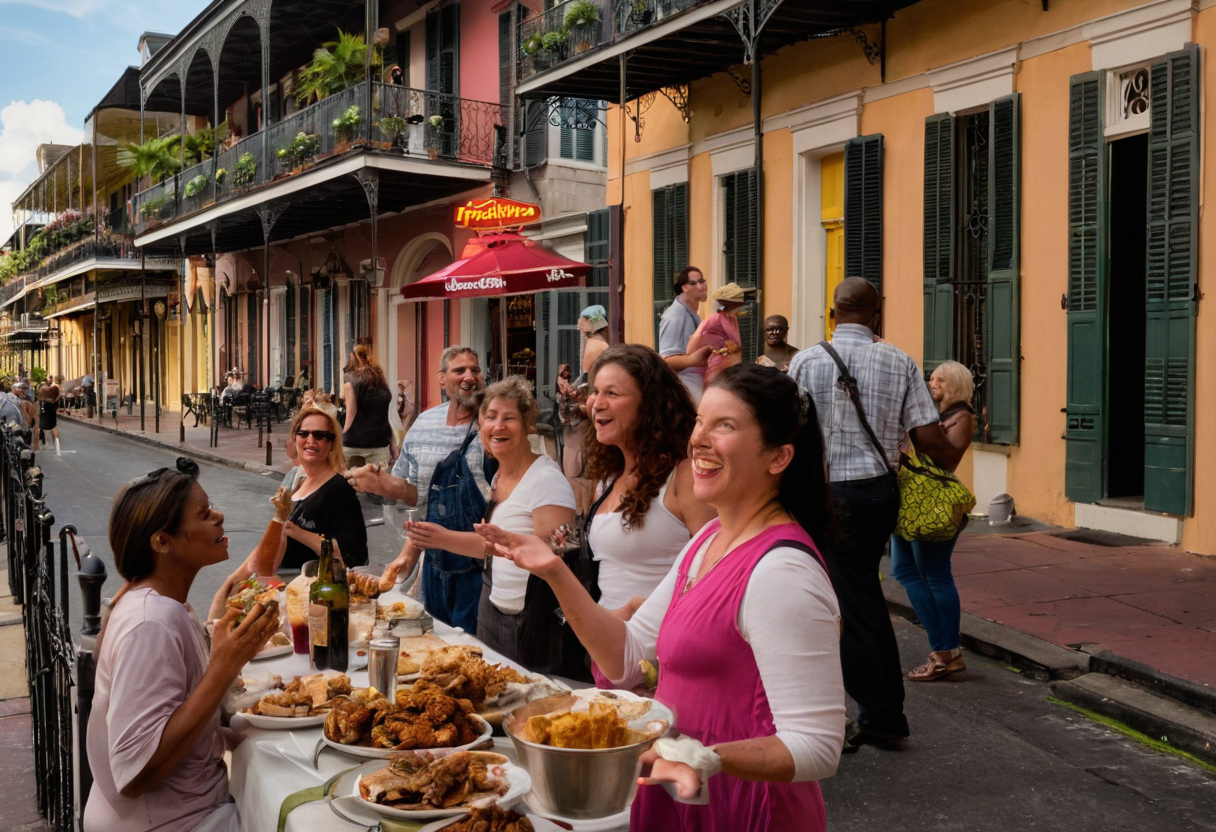
Which French Quarter tasting option handles dietary restrictions more reliably shown with practical context cues.
A broad promise to accommodate dietary needs is not confirmation for one guest. Keep preferences, intolerances, religious restrictions, and serious allergies separate because each requires different questions about ingredients, shared fryers, preparation surfaces, and cross-contact.
A self-guided tasting walk offers choice but not automatic allergy safety
Independent diners can replace a doubtful stop, but menu choice does not establish kitchen safety. Contact every proposed restaurant and verify an alternative for the intended service period.
The U.S. Food and Drug Administration identifies nine major food allergens: milk, eggs, fish, crustacean shellfish, tree nuts, peanuts, wheat, soybeans, and sesame. Sesame became the ninth major allergen under federal law on January 1, 2023. That list does not prove that a restaurant dish avoids an allergen or cross-contact.
With dietary reliability checked, the choice comes down to schedule, group needs, and tolerance for disruption.
Which French Quarter tasting plan fits your schedule, group, and risk tolerance?
The final choice depends on the actual outing: first or repeat visit, solo traveler or group, fixed or flexible start, dietary restrictions, mobility needs, and tolerance for queues. Change the recommendation when those conditions change rather than treating either format as the universal winner.
- First visit with limited time: Favor a guided tour if coordinated timing and context matter most.
- Flexible or repeat visit: Favor a self-guided walk for selective ordering and easy route changes.
- Couple: Choose a guided plan for a fixed schedule or an independent plan for sharing dishes and taking longer pauses.
- Family: Compare pace, seating, menu choice, queue tolerance, and exit options.
- Restricted diet: Commit only after receiving written guidance about ingredients and cross-contact.
- Limited mobility: Compare walking, entrances, seating, restrooms, and meeting-point access before paying.
Choose a guided French Quarter food tour when certainty matters more than control
Before booking, verify the checkout total, included food, duration, expected walking, dietary response, cancellation terms, weather policy, meeting instructions, and access details. Use a current operator page rather than a directory summary, and save written answers to unresolved questions.
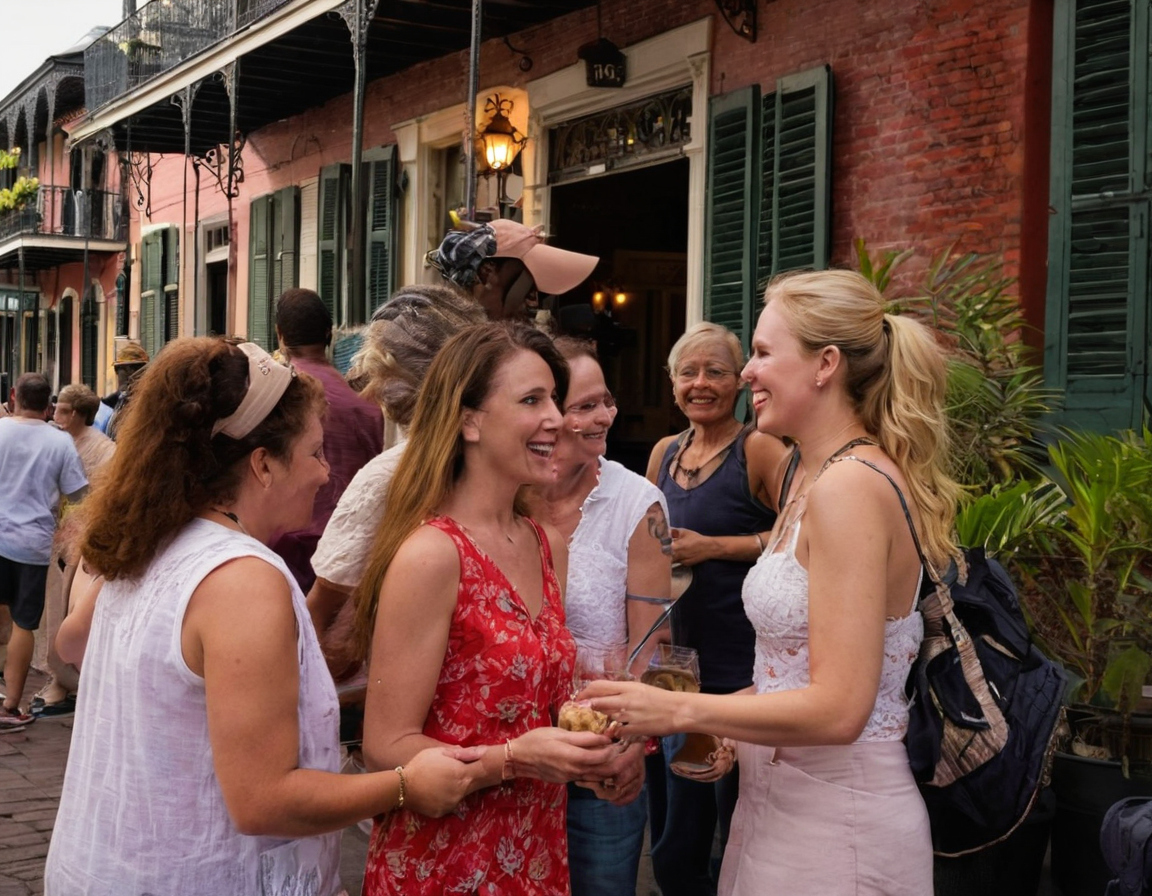
Which French Quarter tasting plan fits your schedule, group, and risk tolerance shown with practical context cues.
Frequently asked questions
How much should I budget for a guided New Orleans food tour versus a self-guided French Quarter tasting walk?
Use current checkout and menu figures rather than a fixed estimate. The guided budget should include mandatory charges, drinks, gratuity treatment, and transportation. The independent budget should include actual order sizes, tax, tip, service charges, minimum purchases, and any food bought because smaller portions are unavailable.
Can French Quarter foodie tours accommodate allergies, vegetarian diets, or other dietary restrictions?
Some operators may offer substitutions, but accommodation must be confirmed for the specific departure before payment. Travelers with serious allergies should request written guidance about every stop and cross-contact limitations.
How many food stops can fit into a self-guided French Quarter walk without rushing?
Choose the number only after allowing for walking, ordering, eating, queues, and seated breaks. Remove stops until the route has enough slack for one closure or delay without sacrificing the rest of the day.
What happens if a New Orleans food tour is canceled or a self-guided tasting stop is closed?
A guided booking follows the operator’s current cancellation and rescheduling terms. An independent plan needs a nearby backup for every primary stop. Check both kinds of plan again on departure day.
Make the choice from verified totals and operating conditions. Book the guided tour if its coordination and context justify the complete price. Walk independently if control is worth the extra checking, and do not leave until every stop has a viable backup.